
Table of Contents
- 1 Skeletal Muscle: More Than a Movement System
- 2 The Age-Related Problem: Sarcopenia Begins Earlier Than You Think
- 3 Muscle and Resting Metabolic Rate (RMR)
- 4 Muscle and Insulin Sensitivity: The Glucose Sink Effect
- 5 Muscle as an Endocrine Organ: Myokines and Longevity
- 6 Muscle, Bone Density, and Longevity
- 7 A Relatable (Fictional) Example: Meet “Laura”
- 8 Why Muscle Becomes Non-Negotiable After 35
- 9 Building Muscle the Right Way
Fat Loss, Insulin Sensitivity, and Longevity Explained
If you want to understand why your body responds differently to food, exercise, and stress after 35, you have to understand muscle tissue.
Muscle is not just something that makes you look “toned.”
It is a highly active metabolic organ, deeply involved in blood sugar regulation, hormonal signaling, inflammation control, and long-term health.
For women over 35, muscle isn’t optional. It’s protective!
Let’s break down why, using real physiology apart from fitness myths.
Skeletal Muscle: More Than a Movement System
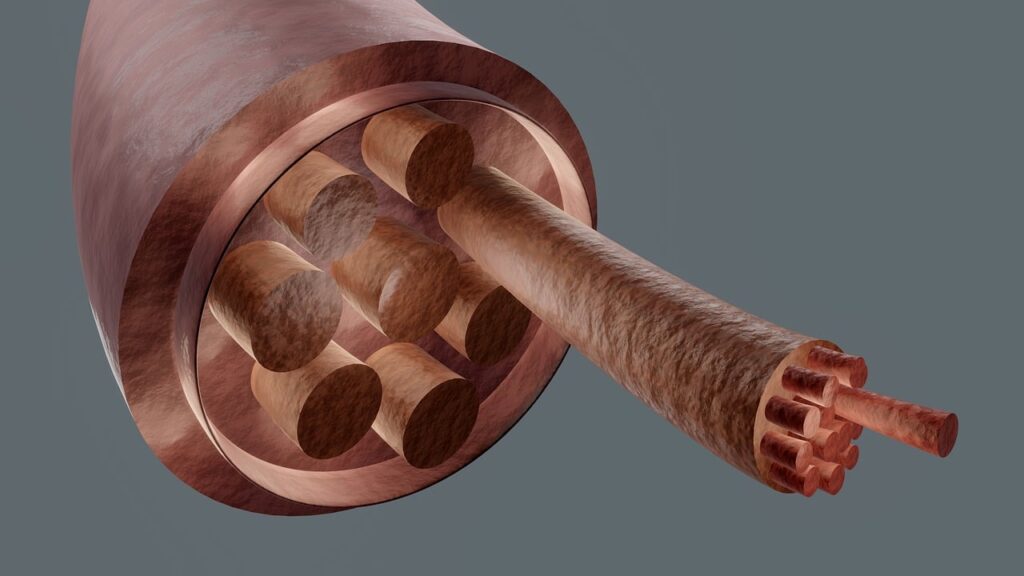
From an anatomical perspective, skeletal muscle makes up roughly 30–40% of total body mass in adult women. But its influence extends far beyond movement.
Skeletal muscle functions as:
- A primary site of glucose disposal
- A major determinant of resting metabolic rate (RMR)
- A reservoir for amino acids during stress or illness
- An endocrine organ that releases myokines (muscle-derived signaling molecules). Myokines have a number of beneficial functions, such as improving metabolism, reducing inflammation, building and protecting muscle, supporting brain and mental health, and communicating with other organs.
In other words, muscle is metabolically expensive! This is a good thing.
The Age-Related Problem: Sarcopenia Begins Earlier Than You Think
Beginning as early as the mid-30s, adults can lose:
- ~0.5–1% of muscle mass per year
- ~1–3% of strength per year
This process, known as sarcopenia, accelerates if strength training is absent.
Sarcopenia can have a dramatic effect on the body in the form of:
- Reduced metabolic rate
- Increased fat storage
- Worsened insulin sensitivity
- Lower functional capacity
Without intervention, this creates a slow but steady metabolic decline. The good news, though, is that we don’t have to accept this as the end of the story!

Muscle and Resting Metabolic Rate (RMR)
Resting metabolic rate is the amount of energy your body uses to maintain basic physiological function at rest.
Muscle tissue:
- Requires ATP constantly (even at rest)
- Has higher mitochondrial density than fat tissue
- Consumes more oxygen and nutrients
While a single pound of muscle doesn’t “burn hundreds of calories,” cumulative muscle mass significantly raises daily energy expenditure, especially when paired with movement.
More muscle = higher baseline energy demand
Less muscle = easier fat gain on the same intake
This is why calorie restriction alone becomes less effective with age.
Muscle and Insulin Sensitivity: The Glucose Sink Effect
Skeletal muscle is responsible for up to 80% of post-meal glucose uptake.
Here’s the physiology:
- You eat carbohydrates
- Blood glucose rises
- Insulin is released from the pancreas
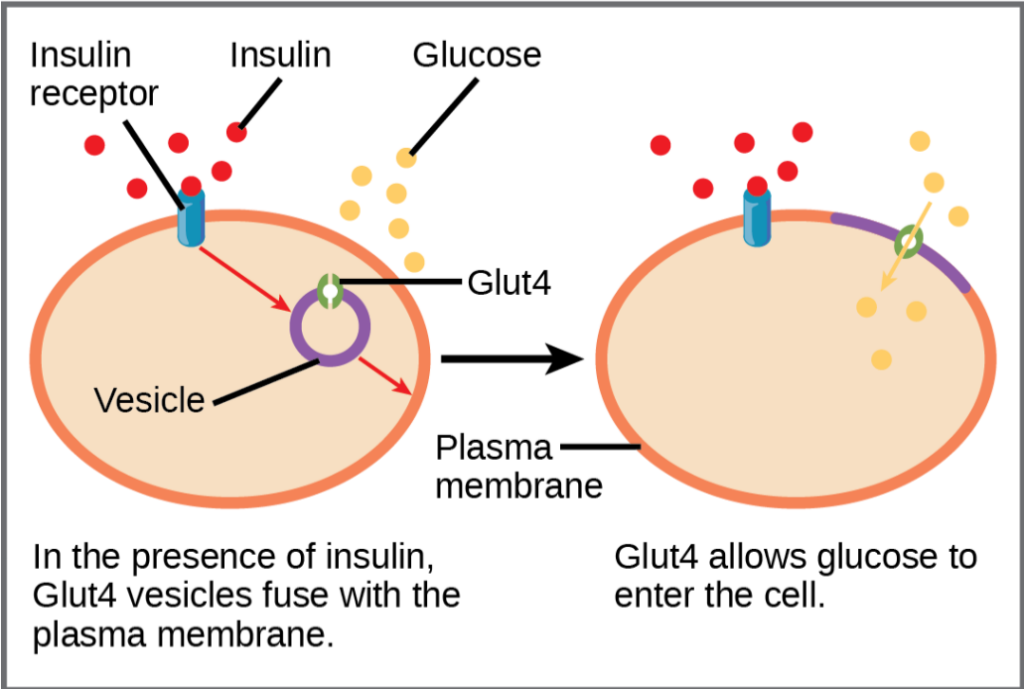
- Muscle cells use GLUT4 transporters to pull glucose into the cell
Strength training increases:
- GLUT4 expression
- Insulin receptor sensitivity
- Mitochondrial efficiency
This means glucose is cleared from the bloodstream more efficiently with less insulin required.
Let’s back up and make sure we understand how GLUT4 transporters work.
GLUT4 transporters are like doors on your muscle and fat cells that let glucose (sugar) move from your blood into the cell to be used for energy or stored.
Here’s a visual of how this works when insulin is involved:
However, when you train, especially strength training, HIIT, and intense movement, something powerful happens:
Muscle contraction itself pulls GLUT4 to the cell surface
- This happens without insulin
- Muscles become more efficient at soaking up glucose
- Blood sugar drops naturally
- Glucose gets used for energy or stored as muscle glycogen
In simple terms:
Exercise makes your muscles act like glucose sponges.
As women age, insulin resistance becomes more common. Muscle directly counteracts this.
Key concept: More muscle = better blood sugar control = easier fat loss.
Muscle as an Endocrine Organ: Myokines and Longevity
When muscle contracts, it releases signaling proteins called myokines.
These influence:
- Inflammation reduction
- Fat oxidation
- Brain health
- Immune function
Examples include:
- IL-6 (exercise-induced) – improves glucose metabolism
- Irisin – supports fat browning
- BDNF – supports brain health and cognition
This is one reason strength training is linked to:
- Reduced risk of type 2 diabetes
- Improved cognitive aging
- Lower all-cause mortality
Muscle communicates with the entire body.

Muscle, Bone Density, and Longevity
From a biomechanical standpoint:
- Muscle applies force to bone
- Bone adapts to load (Wolff’s Law)
Strength training:
- Stimulates osteoblast activity
- Slows age-related bone loss
- Reduces fracture risk
This matters deeply for women post-35, as estrogen fluctuations increase osteoporosis risk. Estrogen acts like a regulatory signal and shield for your skeleton, keeping bone breakdown under control, supporting bone formation, reducing inflammation, and supporting calcium retention to keep calcium where it belongs: in your bones!
Longevity is about more than just living longer. It’s maintaining independence, resilience, and a high quality of life!
A Relatable (Fictional) Example: Meet “Laura”
Laura is 42.
She works full-time, has two kids, and had spent years cycling between:
- Cardio-heavy workouts
- Calorie restriction
- Chronic fatigue
Despite “doing everything right,” she experienced:
- Weight gain around her midsection
- Constant hunger
- Poor sleep
- Rising fasting glucose levels
When Laura shifted to structured strength training:
- She gained 8 pounds (mostly lean mass)
- Her waist measurement decreased
- Her energy stabilized
- Her A1C dropped into a healthier range
What changed wasn’t willpower but physiology.
By increasing muscle mass, Laura:
- Improved insulin sensitivity
- Raised her resting metabolic rate
- Reduced systemic stress
Her body became more efficient, not more restricted.
This is the power of muscle.
Why Muscle Becomes Non-Negotiable After 35
After 35, muscle is no longer just about performance or appearance.
It is about:
- Metabolic protection
- Hormonal resilience
- Injury prevention
- Long-term independence
Strength training is about training in a way that aligns with human biology.
Building Muscle the Right Way
Every program at TRU Training is designed to help you optimize your body composition, gaining lean muscle mass and decreasing body fat if needed. We combine professionally-designed workouts with a holistic nutritional approach to not only help you reach your aesthetic goals but also improve your overall health.
Because after 35, muscle isn’t optional.
It’s your metabolic superpower.
For further reading on building muscle, check out our Glute Growth 101 blog or our Back Muscles: Anatomy and How to Train Them Blog!